

That dull ache in your legs that never quite goes away. The heaviness when you climb stairs. The tiredness that sleep doesn’t fix. Most people in Nalgonda blame age, work, or the weather. Often, the real reason is simpler and quietly fixable: low vitamin D. Vitamin D deficiency causes muscle aches, weakness, and bone pain because the vitamin is essential for muscle function and calcium absorption. A simple blood test confirms it, and treatment is usually inexpensive and effective when started early.
According to Dr. Surapareddy Bhavana, Consultant Rheumatologist in super speciality clinic in Nalgonda, “I see patients every week who have lived with body pain for months. They tried painkillers, balms, everything. One vitamin D test changes the whole picture. The deficiency was there all along, nobody checked.”
What does vitamin D actually do for your muscles?
Vitamin D is not just a “bone vitamin.” Muscle cells carry receptors for it, which means your muscles depend on vitamin D to contract, relax, and stay strong. When levels drop, those signals weaken.
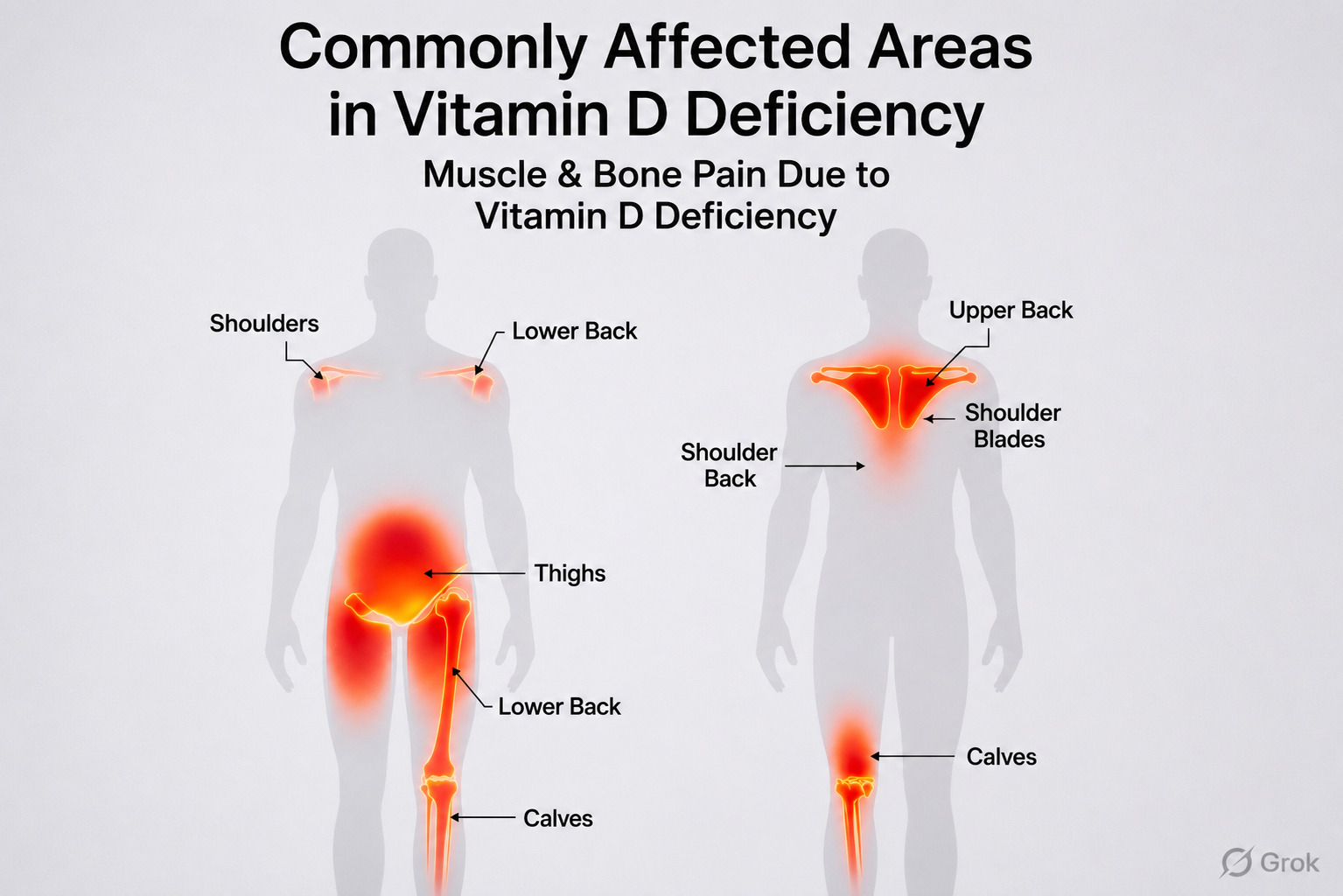
The result is a specific kind of discomfort. It usually shows up as:
- A deep, aching pain rather than a sharp one
- Weakness in the thighs and upper arms, felt most when standing up or climbing
- General tiredness that rest does not seem to repair
- Pain in the lower back, hips, and legs that comes and goes
This is different from a pulled muscle or an injury. Deficiency-related aches are widespread, persistent, and symmetrical, affecting both sides of the body.
Why is vitamin D deficiency so common here?
It feels strange that a sun-rich country struggles with a “sunshine vitamin.” But deficiency is widespread across India, and the reasons are everyday ones.
Most people work indoors and step out only when the sun is low. When they are outside, clothing covers most of the skin, and that is perfectly understandable in a hot climate. Darker skin tones, common across the region, also need longer sun exposure to make the same amount of vitamin D. Add a diet low in naturally vitamin-D-rich foods, and the gap widens.
Older adults are hit hardest. The skin makes less vitamin D with age, and the kidneys process it less efficiently too. For families already watching out for kidney health, this overlap matters. Anyone managing long-term conditions should read our guide on why kidney problems are so common in Nalgonda, since kidney function and vitamin D are closely linked.
How do you know if it's vitamin D, and not something else?
This is the important question. Muscle aches can come from many sources, including arthritis, thyroid problems, and overuse. Vitamin D deficiency has a few telltale features that help separate it.
|
Sign |
What It Suggests |
When to Act |
|
Aching that affects both legs equally |
Widespread deficiency pattern |
Get tested within 2 weeks |
|
Weakness climbing stairs or rising from a chair |
Muscle weakness from low vitamin D |
Within 2 weeks |
|
Bone tenderness when pressed |
Possible bone softening |
Prompt review |
|
Fatigue that rest doesn’t fix |
Common deficiency symptom |
Within 2 weeks |
|
Frequent muscle cramps |
Calcium-vitamin D imbalance |
Within 2 weeks |
|
Mood dips alongside body pain |
Deficiency can affect both |
Within 2 weeks |
When two or more of these overlap, guessing is not the answer. A short consultation and a blood test give a clear picture.
Which test confirms it, and what do the numbers mean?
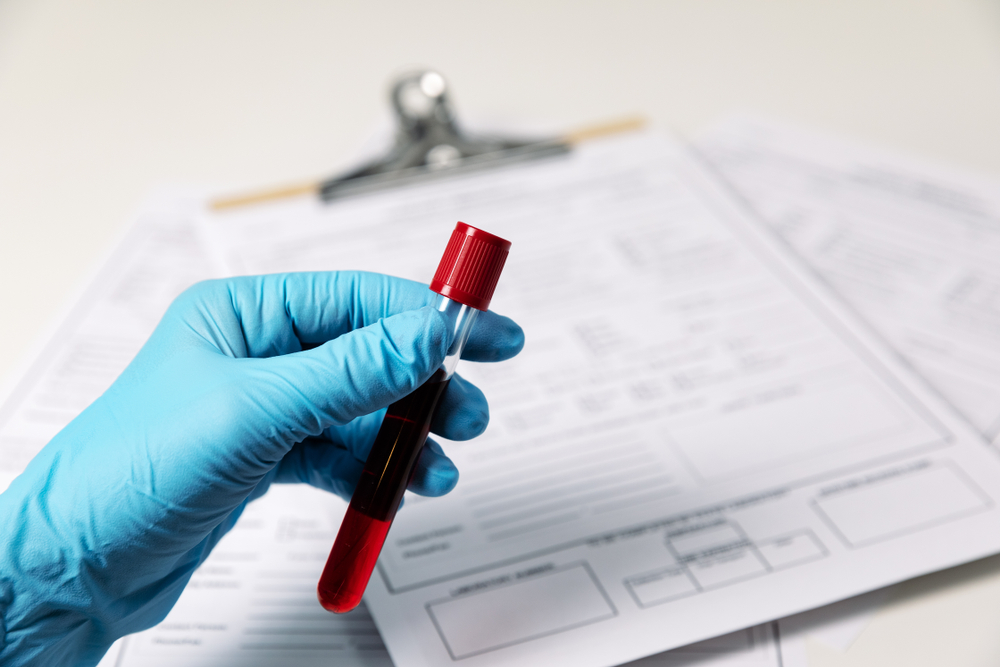
The test is straightforward. A single blood test called 25-hydroxy vitamin D measures your level. It is affordable, needs no special preparation, and can be done locally in Nalgonda.
As a general guide, levels below 20 ng/mL are considered deficient, 20 to 30 ng/mL is insufficient, and above 30 ng/mL is adequate. Your doctor may also check calcium, phosphorus, and sometimes kidney function, because these work together. The numbers alone do not tell the whole story, which is why a specialist reads them alongside your symptoms and history.
How is vitamin D deficiency treated?
The good news is that treatment is simple and works well. For most people it involves a vitamin D supplement, usually given as a weekly dose for a few weeks, followed by a lower maintenance dose. The exact plan depends on how low your level is and on any other conditions you have.
Alongside this, small daily habits help. Sensible sun exposure of around 15 to 20 minutes on the arms and face, foods that support vitamin D and calcium, and gentle regular movement all make a difference. Most patients notice their muscle aches easing within a few weeks of starting treatment.
One word of caution: vitamin D supplements should not be self-prescribed in high doses. Too much can be harmful, especially for people with kidney concerns. A proper assessment keeps treatment both safe and effective.
Tired of aches that no balm or painkiller seems to touch? Get Your Vitamin D Checked
When should you stop guessing and get checked?
Body pain that lingers for weeks is your body asking for attention, not something to wait out. If aching legs, weakness on the stairs, and a tiredness that rest does not fix have become part of your routine, a single vitamin D test can often explain it, and the fix is usually simple once you know the cause.
The key is not to self-diagnose or self-medicate. A specialist can read your reports alongside your symptoms, rule out arthritis or thyroid issues, and set a treatment plan that is both safe and right for you. For families in and around Nalgonda, that kind of bone and joint expertise no longer means a long trip to Hyderabad. Dr. Surapareddy Bhavana, Consultant Rheumatologist, holds regular OPDs at Patnam Doctor Super Speciality Clinic in Nalgonda, so an unexplained ache can be assessed properly, close to home, without the travel and the wait.
If body pain has been following you around for too long, a short visit to the clinic is worth far more than another month of wondering. You can walk in or call +91-93470 34329 directly, no referral needed.
One blood test could explain months of body pain. Talk to a Specialist in Nalgonda
Frequently Asked Questions
Can low vitamin D really cause muscle pain on its own?
Yes. Vitamin D is essential for muscle cells to function, and a deficiency commonly causes deep, widespread aching, weakness, and fatigue, often without any injury behind it. Many patients spend months treating it as ordinary tiredness before a test reveals the real cause.
How long until I feel better after starting treatment?
Most people notice a clear improvement within four to six weeks of correct treatment. The body needs time to rebuild its vitamin D stores, so the aches ease gradually rather than overnight. Sticking to the full prescribed course matters, even after you start feeling better.
Do I need a referral to see a rheumatologist at Patnam Doctor?
No referral is needed. You can walk in directly or call +91-93470 34329 to book an appointment with Dr. Surapareddy Bhavana. If you have any recent blood reports or test results, bring them along, as they help speed up the assessment.
Is sunlight alone enough to fix a deficiency?
Often not. While sensible sun exposure helps maintain healthy levels, a confirmed deficiency usually needs supplements to correct it properly. Clothing, indoor routines, skin tone, and age all limit how much vitamin D the body makes from sunlight, so most people need both.
References
- National Institutes of Health, Vitamin D fact sheet
- World Health Organization, Micronutrient information
Disclaimer: The information shared in this content is for educational purposes only and not for promotional use.